Archive

Author Archives: James Rink

There is a New Life New age light workers exposition, 2X a year in NY and I have not gone for 3 years. There are no light workers there anymore it’s all to get your money for fake products. Unlike the neo cube, it has opened my eyes that I didn’t need their garbage or lies. For years I have spent so much money like a necklace to combat EMF frequencies and another necklace and a broken $800 water purifier with a yearly $100.00 filter that broke.  I am growing so much with my Neo cube.

http://www.neologicaltech.com/product_p/idl8orca.htm

10 questions with meditation guru Michael Miller     

How was your 2015? Mine was pretty atrocious—stress-wise, at least. I moved apartments; my crazy-overdue book brought me to cracking-under-pressure tears on the regular; I dumped a cheating boyfriend; I was broke all of the time on account of the overdue book situation. It was a lot. By year’s end, I couldn’t shut up the negative talk in my brain.

So when my friend Julie—Senior Beauty and Fitness Editor of ELLE.com—sent along an invite to experience the new Be Here, Be Now program at the St. Regis Bahia Beach Resort in Rio Grande, Puerto Rico, I was so there. Meditation is something that I’ve been taught in rehab after rehab (I’m an addict) over the years; I never stuck with it, though, once I got home. Now I needed it more than ever. That’s how I wanted to start the new year.

 The resort is huge—like a village! 483 acres. You get driven through winding paths to your room on golf carts; there are wonderful iguanas everywhere. It is built on a former coconut plantation—and I love coconuts. It is equal parts jungle—the El Yunque Rainforest, to be exact—and beach, so I had this fabulous suite with a canopy of trees sort of hanging over the ocean view. The food at restaurants like Jean-Gorges’ Fern was insane (the hotel offers a seven course ceviche feast that particularly glamorized me); the poolside scene was just beyond, too. I got an incredible facial at the 10,000 square foot Reméde Spa; I got an hour of yoga from this sexy yoga instructor, in a studio with a whole wall open to the jungle. Heaven.

I was so grateful to be there—or, at least, I kept remembering to be in between inevitable bouts of returning to licking my own wounds. The gratitude moments occurred thanks to Be Here, Be Now, which (gently) encourages guests to pause every day to turn their phones off and sit quietly in beautiful, designated places around the resort for a few minutes of mindfulness and peace. The brains behind this whole thing (in partnership with the resort) is Michael Miller, director of New York Meditation Center and London Meditation Centre. He is awesome. More on him in a second.

You don’t register for Be Here, Be Now; it’s just there for you if you want it. Guests are presented in a brochure with a map of where to go, and what to focus on. I tried them all—from the hidden nook off a nature path to a particularly zen spot in the beach. As I followed the program’s suggestions of sensory awareness and connecting with the environment—the ocean smell, the chirping birds in the jungle foliage overhead—I found stillness, relaxation, and, yes, gratitude for everything around me.

What did I think about? As little as possible—that’s the point! I focused on breathing in and out through my nose. Inhale. Exhale. I saw these two words spelled out in my mind—in cursive script, in neon, in block letters. Weird, but it worked for me. Inhale. Exhale. Did thoughts of my dumb-ass ex, my deadline, my obliques, and my unpaid ConEd bill break my ‘focus’? Sure. So did a colleague’s cell phone when it started ringing, three feet away from where I sat cross-legged. I acknowledged these distractions, and then I let them go. Inhale. Exhale.

I was lucky to have experienced this truly unique and lovely program, and to have spent time with the wonderful Michael Miller. I loved talking to him so much that I wanted to continue the conversation to share with ELLE.com readers. Read on!

Hi amazing Michael! Let’s get right to it. So I don’t think the typical ELLE.com reader—or editor, for that matter—is anti-meditation or anything. I think she is all, “If I’m going to set aside 20 minutes twice a day to get down on the floor and change my life, I’d prefer to be doing PopPilates videos on YouTube!” They want results! Do you know the type of woman I’m talking about?

Yes. A woman who is driven, who is exactly who should be meditating. There is science behind this. And with meditation the changes happen quickly. It’s not like you have to do this for months before you notice a shift. Everyone we teach sees change in the first few days.

Fitness ‘movements’ like SoulCycle are all “45 minutes to take your journey. Change your body. Find your SOUL.”  Yoga promises the same thing: better body, plus peace of mind. Why should we sit still? We all know that meditating gives people peace of mind, but can meditating make you better-looking? Like, can you meditate to sexy?

Ooooh, I love this. Yes, of course you can. How sexy is stressed? Being worked-up and strung-out is bad for you. Stress ages you quickly, you put on weight, you don’t sleep well, your skin is bad. When you’re stress-free, the body is less acidic. That’s good because acid corrodes.

I am being very shallow with all of this talk about looks. Let’s move on to wealth and celebrities: can meditating make me rich and powerful? I mean, Howard Stern and Oprah and Jerry Seinfeld all do it.

Again, are you on-your-game when you’re stressed and distracted? Meditation makes you more aware and helps you think clearly. So you see opportunities and make good decisions. You know when to step up and be pushy and when to shut up and listen.

How does meditation help people with addictions? I’m not just talking drugs and booze—I mean to junk food, to cigarettes, to bad boyfriends.

Addiction is a spiritual search for greater happiness. But where are you searching? If you’re searching “out there” then you’re destined to fail. It doesn’t matter what it is. Food, alcohol, relationships, money, fame, real estate… None of these things have brought long-term happiness to anyone. True fulfillment lies inside and meditation gets us there every time.

And what about people who say, “I love my life, everything’s great”—who already can afford trips to fab resorts like the St. Regis Bahia Beach? What would they get out of taking the time to meditate on vacation or elsewhere?

First, I don’t buy that just because you have money to go somewhere beautiful that means you’re happy. One of the reasons I was inspired to create this program is because I want people to actually enjoy their vacation. How often do you hear people say “It took me five days just to relax” (and they spent the whole time looking at their phone). Even when life is good, it can always get better. Any other idea is a failure of imagination.

You worked with the St. Regis Bahia Beach to find beautiful, special places where people can go to meditate. But hypothetically, could one meditate on a chaise lounge, poolside at that hotel or any other? How about in a Jacuzzi? Or I got the best facial at the Remède Spa at the St. Regis; the aesthetician did amazing extractions and blasted oxygen into my pores. It was the best. Anyway, could I have been meditating while she did all that?

Sure, you can meditate anywhere. The St Regis Bahia Beach Resort in Puerto Rico has great locations to have really rich experiences. And you’re not limited to those spots—we want you to try it in other places. And to take it home with you. So yes, do it anywhere but don’t multitask. If you’re going to meditate then just meditate. Could you meditate while getting a bikini wax? Yes. Is it recommended? No. The whole point is to stop and be.

Everyone on the trip in Puerto Rico seemed concerned that they weren’t “doing it right”—meditating. Other people claim that they “just can’t do it.” What’s the correct way to “do it”? 

Anyone can meditate. If you can think, you can meditate. The biggest myth is “I can’t meditate because my mind won’t stop.” Everyone can learn to settle down and bliss out.

You’re not a fan of people learning to meditate via, like, YouTube—correct?

I’m a fan of people learning to meditate well. Usually that means personal instruction. You wouldn’t learn to swim from a YouTube video. Go take swim lessons from a professional. An app like Insight Timer will give you a little taster of lots of teachers, but ultimately you want to learn for real.

Besides taking a trip to the fab St. Regis, how can ELLE.com readers start meditating? Like, “ONE WEEK MEDITATION CHALLENGE!”—what would that look like?

For one week, pick a time in the morning. Turn off your phone, sit down in a comfy chair and close your eyes. Don’t set a timer. Don’t try to stop thinking. Don’t try to relax. Don’t try to get into a zone. Don’t try to do anything. After about five minutes, slowly open your eyes. If you had lots of thoughts, that’s fine. You’ll be a great meditator. If it was really hard—you checked your watch nine times, you felt anxious, you were incredibly bored—then you really need to learn. Stillness reveals what’s inside. If you do this for five minutes every morning for seven days, you’ll start to feel a little different. And you’ll be aware of what’s going on underneath your activity, and be inspired to make it better.

AMERICAN UNIVERSITY

WASHINGTON, D.C. (Feb. 5, 2016) –They return to the United States with multiple types of trauma, and suffer from one of the highest rates of chronic pain of any population in the United States. They are U.S. veterans. A major challenge for health care providers is how to help them alleviate pain that will last a lifetime. Now, a new study suggests veterans may be empowered to help themselves with the practice of meditation.

A small pilot study conducted at the Washington, D.C. Veterans Affairs Medical Center reveals that veterans who practiced meditation reported a 20 percent reduction in pain intensity (how bad pain hurts or feels), as well as pain interference, how pain interferes with everyday aspects of life, such as sleep, mood, and activity level. The reductions were consistent across several methods by which doctors commonly measure pain in patients.

“Meditation allows a person to accept pain and to respond to pain with less stress and emotional reactivity. Our theory is that this process increases coping skills, which in turn can help veterans to self-manage their chronic pain,” said Thomas Nassif, Ph.D., a professorial lecturer in American University’s Department of Health Studies, researcher at the D.C. Veterans Affairs Medical Center, and lead author of the new study published in Military Behavioral Health.

Pain is a significant health issue among the approximately 2.6 million service members who have served in Operation Enduring Freedom in Afghanistan and Operation Iraqi Freedom in Iraq since these conflicts began in 2001, according to the Veterans Health Administration. Musculoskeletal pain conditions are the most frequently diagnosed medical issue, exceeding any other medical and psychological concern. Chronic pain is also found in most combat veterans who sustained a traumatic brain injury.

The form of mindfulness meditation administered in the study, Integrative Restoration Yoga Nidra, or iRest, is used at Veterans Health Administration medical centers and active-duty military facilities nationwide. The Army surgeon general’s Pain Management Task Force has cited iRest as a Tier I intervention for managing pain in military and veteran populations.

The pilot study consisted of four male veterans who received iRest meditation treatment, and five who did not. All study participants served in combat and returned to the U.S. with chronic pain and moderate TBI. The study participants attended meditation sessions twice weekly at the D.C. Veterans Affairs Medical Center and were given iRest recordings to engage in self-practice as well. By the end of eight weeks, the study participants had acquired useful mindfulness skills that empowered them to use meditation as a tool to help manage their pain, Nassif said.

“In many cases, primary care physicians are the ones expected to help individuals overcome their chronic pain,” Nassif said. “One of the most commonly used tools we have in our toolbox is opioids. Veterans in this study, and many who come to meditation sessions, find that opioid medication is a short-term solution. Meditation could be a useful tool to help veterans manage their pain over the long term.”

The study calls on health care providers to promote self-management in patients by disseminating strategies and techniques to help patients prevent, cope with, and reduce pain, and concludes that iRest represents one promising self-management approach. More research should be conducted, Nassif said, and future studies should include quantitative measures and a greater number of participants.

###

Author contributors include Julie C. Chapman, Psy.D., director of Neuroscience, Neurology Service, Veterans Affairs Medical Center, Washington, D.C.; Deborah O. Norris, Ph.D., founder and executive director, The Mindfulness Center, Bethesda, Md.; Friedhelm Sandbrink, M.D., neurologist and pain specialist, Neurology Service, Veterans Affairs Medical Center, Washington, D.C.; Karen L. Soltes, LCSW, iRest Instructor; Matthew Reinhard, Psy.D., director, War Related Illness and Injury Study Center, Veterans Affairs Medical Center, Washington, D.C.; and Marc R. Blackman, M.D., Associate Chief of Staff for Research and Development, Veterans Affairs Medical Center, Washington, D.C.

American University is a leader in global education, enrolling a diverse student body from throughout the United States and nearly 140 countries. Located in Washington, D.C., the university provides opportunities for academic excellence, public service, and internships in the nation’s capital and around the world.

http://www.eurekalert.org/pub_releases/2016-02/au-pss020516.php

Galloway-Mary_HowToGetYourselfToActuallyStartMeditating_20160204_Opener

ILLUSTRATED BY MARY GALLOWAY.
Of course you want to meditate, but you’re too busy. You always get distracted. You don’t think you’re doing it right. And so on. There are about a million excuses for why you “can’t” meditate, despite knowing that it might just change your life.
Studies have shown that meditation can help us deal with everything from chronic stress toclinical anxiety, and possibly even change the physical structure of our brains in the process. Some researchers believe these changes make us more resilient to everyday pressures, and possibly more compassionate to those around us.

However, even if you’re already convinced you want to take up a meditation habit, you’re still going to run up against your fair share of challenges — including those excuses. For some pointers, we turned to Ralph De La Rosa, a meditation expert and therapist, for ways to make that habit just a bit easier to build. Get ready: full Zen ahead.

Try An App

If you’re a total beginner, try an app likeHeadspace, which can be an on-the-go guide to starting mindfulness and breathing exercises — without the commitment (or potential for self-consciousness) of a class.

Other apps might be better for more seasoned meditators looking for specific training. For instance, Happify places meditation in the context of other happiness boosting exercises. And Karmic offers the more free-form experience of calming music on a timer, for however long you want to go. Try out a few of our favorites here.

Find Your Time

You’ve probably heard that the “secret” to creating a habit is to do the activity you’re trying to make stick at the same time every day. But, the right time for you to meditate might not be when you wake up — or maybe it is! The only way to know what will feel best is to try it.

Maybe you’ll do your best mindfulness work right before you head to bed, or you’ll need some stress relief in the few minutes you actually get to sit down on the subway.

As time goes on, don’t be afraid to get creative with your timing if you need to.”If I’m too rushed in the morning or if I wake up late, I’ll use my lunch break,” De La Rosa says.

Find Your Mantra

A lot of people have this idea that meditation means completely turning your brain off, but it’s really about being present. Finding a mantra to repeat to yourself during meditation is a great way to stay focused on what you’re doing — rather than the 15 emails waiting in your inbox. Try doing some searching and experimenting to find a phrase that resonates with you. For instance, check out metta meditation, which has you send goodwill to yourself and other people.

Or maybe it’s much simpler than that: “Something that helps me a lot when my mind is busy or I’m overcaffeinated is using the mantra ‘Here,'” says De La Rosa.”You’re just calling the mind to be here.”

Start Small

If you’re starting with an hour, or even just 15 minutes, it’s easy to get psyched out in the first few moments. De La Rosa’s advice: don’t get too ambitious, too quickly.

“Begin with something totally manageable that you can sustain with some consistency,” he says. “But remember that 10 minutes of meditation a day is a lot more than zero minutes of meditation a day.”

OR you can try a neo meditation device!

http://www.refinery29.com/meditation#slide

When I seen what my device can do I realized I had been praying a lot to become an astronaut. Shortly after meditating with my cube I found out about mars where there taking volunteers by 2025 and really glad it gave me that much time to think of my wishes it’s really unreal I use it now to communicate with Angels from the enochian magick order it’s really amplifies the experience. Everything becomes more surreal. You get to see into those dimensions that surrounds us daily but not able to glimpse into due to the blocks.

http://www.neologicaltech.com/product_p/idl13skullem.htm

02/04/2016 05:17 pm ET

Emma Seppälä, Ph.DAssociate Director, Stanford University Center for Compassion and Altruism Research and Education

CREATAS VIA GETTY IMAGES

Mindfulness is quickly following yoga in becoming a billion-dollar industry. It’s no surprise, then, that the popularity of meditation – one way to practice mindfulness – is also growing among CEOs and senior executives. Why are business leaders embracing meditation rather than, say, massage or ping-pong? Because there’s something to meditation that appears to benefit CEOs more than recreation or relaxation do alone.

As CEO of the TLEX Institute, Johann Berlin specializes in bringing mindfulness training to CEOs and corporate teams. He says he’s seeing a growing interest among leaders in meditation as a way to build leadership skills – and achieve business goals. “Most of our new clients … are not sold by mindfulness as a novelty. They want to see how these approaches … are truly beneficial to existing priorities like retention, talent advancement, innovation.” For example, one of Berlin’s clients, a Fortune 25 company, has integrated mindfulness techniques into its high potentials program with the goal of creating agile and flexible mindsets as a foundation for leadership.

The research on mindfulness suggests that meditation sharpens skills like attention, memory, and emotional intelligence. I spoke with a number of executives about their experiences with meditation, and saw again and again how their observations about meditation in the workplace connected back to the findings of academic research.

Meditation builds resilience. Multiple research studies have shown that meditation has the potential to decrease anxiety, thereby potentially boosting resilience and performance under stress. That’s certainly been true for Alak Vasa, founder of Elements Truffles, who started meditating as a trader at Goldman Sachs and ITG. She claims meditation helped her keep fear and panic at bay, even under duress. “There was this one instance where the market tanked and there was panic on the desk. The trading desk was an organized riot. Thanks to my meditation practice, I was able to keep my composure and propose solutions to reduce the impact of the market crash.”

Jonathan Tang, founder and CEO of VASTRM fashion, first introduced meditation to his staff after 9/11. “In the aftermath of 9/11, the employees at my company were noticeably shaky and distracted. I decided to bring in a meditation facilitator to offer people the ability to sit silent for 20 minutes. The room filled up quickly as people really needed an outlet for peace. When the session was over, people who had never meditated before were filled with a sense of calm. It helped them be more present at work and even carried forth to being more present with their families at home.”

Meditation boosts emotional intelligence.Brain-imaging research suggests that meditation can help strengthen your ability to regulate your emotions.

Archana Patchirajan, successful serial entrepreneur and CEO and Founder of Sattva, shared that in her early years as a leader, she wanted things to happen in her way and on her timeline. “I didn’t tend to understand what my team was going through. I would just get angry if they did not perform according to my expectations. ” Given research that shows anger’s impact on cardiovascular health, it is critical that leaders be able to manage their anger, and put themselves in others’ shoes. “Thanks to meditation I have developed patience.” Archana says. “I have a better relationship with my team. Best of all, I maintain my peace of mind.”

Dr. James Doty, a neurosurgeon at Stanford University’s School of Medicine, also values meditation for its ability to cultivate emotional intelligence. A colleague had developed a cutting-edge medical device, but the company he had started to develop and sell the device was on the rocks. Doty, an early investor, became the CEO. At a meeting with vital – but disgruntled – stakeholders, he faced an angry, unreasonable investor. He credits his mindfulness practice with helping him respond with empathy: “I paused and slowly took a few breaths… This led me to actually listen and understand not only his situation, but what he wanted and expected. By not responding in an emotional manner, it resulted in his not only becoming supportive but also becoming an ally in making the company a success. The company ultimately went public at a valuation of $1.3B. ”

Meditation enhances creativity.Research on creativity suggests that we come up with our greatest insights and biggest breakthroughs when we are in a more meditative and relaxed state of mind. That is when we have “eureka” moments. This is likely because meditation encourages divergent thinking (i.e. coming up with the greatest number of possible solutions to a problem), a key component of creativity.

Charly Kleissner credits meditation with helping him come up with new ideas and ventures that would otherwise not have occurred to him. “I co-founded the 100% IMPACT Network because of my meditation practice.”

Meditation improves your relationships. While stress narrows your perspectiveand that of your team, and reduces empathy, negatively impacting performance, meditation can help boost your mood and increase your sense of connection to others, even make you a kinder and more compassionate person.

Chirag Patel, CEO of Amneal Pharmaceuticals and Ernst & Young 2011 Entrepreneur of the Year, credits meditation with helping him feel more connected to his clients. “In a business you start connecting to your customer as your family rather than merely a business transaction.” The same goes for his relationships with his colleagues and staff.

Meditation helps you focus. Research has shown that our minds have a tendency to wander about 50% of the time. Add in work interruptions, text messages, IMs, phone calls, and emails, and it’s no surprise that employees have a hard time staying focused. But studies show that meditation training can help curb our tendency for distraction, strengthening our ability to stay focused and even boosting memory.

Peter Cooper, founder of Cooper Investors, attributes his ability to invest wisely to his meditation practice. “Being an investor requires the distillation of large volumes of information into a few relevant insights. Meditation has helped me discard interesting but unnecessary information and focus on the few things that make a difference to long run investment performance.”

***

Importantly, meditation is not just “one more thing to do.” If you’re thinking that you have enough on your plate and don’t need yet another thing, consider this advice that Arianna Huffington shared with me. “Although I’ve known its benefits since my teens, finding time for meditation was always a challenge because I was under the impression that I had to ‘do’ meditation. And I didn’t have time for another burdensome thing to ‘do.’ Fortunately, a friend pointed out one day that we don’t ‘do’ meditation; meditation ‘does’ us. That opened the door for me. The only thing to ‘do’ in meditation is nothing.”

But as both research and experience show, doing nothing can have real results.

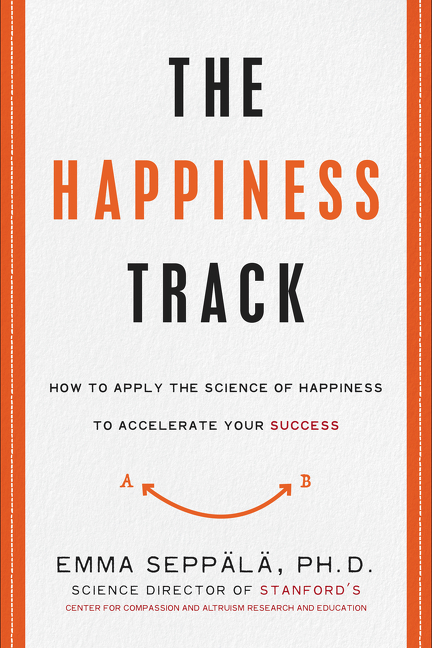
___________I’ve written a book on this topic and why happiness is the secret to success, see emmaseppala.com/book

2016-01-26-1453776696-1421358-TheHappinessTrackcover1.jpg

___________This article first appeared at Harvard Business Review on December 14, 2014.

Meditation, Managed Care, and Mental Health

©agsandrew/Shutterstock

PSYCHIATRIC VIEWS ON THE NEWS

In 1990, when I started to lead a not-for-profit managed mental health care system, no one paid attention to meditation.1 In recent years, health care insurance companies (and the businesses that use them) have started to invest in mindfulness research and programs.2 What has happened to explain this development?

A look back
Starting with Hindu traditions in India, meditation evolved over thousands of years as a kind of spiritual practice. Much later, Buddha embraced it. Forms of meditation were practiced in Judaism, Christianity, and Islam but they were more mystical than mainstream.

In the 1960s, gurus from India, coupled with the interest of hippies and other new age spiritual seekers, brought meditation to the US. As the fervor of the 60s died down, so did meditation. In the new millennium, the practice of meditation again surfaced for practical rather than spiritual reasons.

As the Internet put people online with little time left to recover from growing workplace productivity demands, burnout increased. Meditation became a practical tool to relax and recover from undue stress.

Techniques
No matter what the variation, the practice of meditation has 4 fundamental requirements: a quiet location, a comfortable position, a focus of attention, and an open attitude. The overall goal is intense calmness and clarity.

Mindfulness is one of the most popular types of meditation. The aim is to witness and to pay attention to whatever is on one’s mind—no matter how full or distracting those thoughts are. Even with mindfulness, diverse practices can be subsumed under its rubric, including yoga, centering prayer, and Tai Chi.

Daily practice does not require a lot of time. In the Americanization of meditation, one Google executive even claims that 6 seconds of a “mindful breath” can do the trick whenever it is needed, and if a study on dishwashing is generalization, there is some scientific confirmation of that possibility.3

Meditation and the brain
As meditation gained in popularity and neuroimaging techniques became available, research assessed how practice affected the brain. One such study4 reported that after just 8 weeks of meditation for about 30 minutes a day, brain thickening was found in 4 areas: the posterior cingulate, the left hippocampus, the temporaparietal junction, and the pons. Each area involves self-referencing, emotional regulation, compassion, and the regulation of neurotransmitters. On the other hand, the amygdala, which processes the fight-or-flight response, got smaller.

Stimulated by a request by the Dalai Lama, other studies harkened back to the Buddhist tradition by using long-term, intense meditators—such as Buddhist monks—as subjects.5 These studies found that the anterior insula in particular was activated. This area of the brain coordinates the brain-body interaction involved with the immune system. Also found was high-amplitude gamma-oscillation in the brain, indicative of increased neuronal plasticity.

Psychiatric benefits of meditation
Proper meditation induces relaxation, though other techniques, such as exercise and music, are equally valuable. Relaxation, in turn, not only lowers blood pressure, but it relieves tension and anxiety.

Another study went beyond wellness and looked at whether meditation could supplement traditional treatments for depression and other psychiatric disorders.6 Mindfulness-based cognitive psychotherapy was found to be as effective as medication in preventing relapse for those with recurrent depression.

Interestingly enough, virtually all of the prominent researchers on meditation sooner or later embrace the practice for themselves.

– See more at: http://www.psychiatrictimes.com/blogs/meditation-managed-care-and-mental-health#sthash.EHxOvAtZ.dpuf

Oprah launches 21-day meditation program which she promises will make people feel ‘lighter in body, mind, and spirit’

  • The 62-year-old mogul announced her latest meditation collaboration with Deepak Chopra, 68
  • The 21-day program, which is free and begins March 21, will include 20-minute guided meditations by Oprah and Deepack
  • Oprah, who has lost 26lbs since re-joining Weight Watchers, has said that meditating every day helps her stay centered
  • Deepak added that meditating reduces stress, which can mess with a person’s metabolism

The 62-year-old media mogul’s tenth and latest program with Chopra Center for Wellbeing founder Deepak Chopra, 68, isn’t just about finding inner peace or focus. Titled ‘Shedding the Weight: Mind, Body and Spirit‘, the three-week experience also aims to help participants drop some extra pounds.

And Oprah should know, as she’s recently lost and impressive 26lbs herself.

Healthy habits: Oprah Winfrey and Deepak Chopra have announced their latest in a series of 21-day mediation experiences, this one aimed at people who want to lose weight

Spreading the love: This is the duo's tenth guided meditation guide, which is available for free

‘I have learned that weight can affect more than just our physical being, it takes on all kinds of different meaning in our lives,’ Oprah explained.

‘This meditation will help us recognize what we are really hungry for and help us move down the path to harmony within ourselves.’

Throughout the free program — which opens registration today and will be available for download on March 21 — listeners will tune in to 20-minute audio meditations led by both Oprah and Deepak, after which they should feel ‘lighter in body, mind, and spirit’.

There is also a journal feature on the app, available on iTunes and Google Play, where participants can track their progress.

Shedding pounds: Oprah, who is a spokesperson for Weight Watchers, has lost 26lbs since joining

Shedding pounds: Oprah, who is a spokesperson for Weight Watchers, has lost 26lbs since joining

Famous voices: Deepak (pictured recording the mediations) will narrate the series with Oprah

Famous voices: Deepak (pictured recording the mediations) will narrate the series with Oprah

Of course, it takes a bit more than staying still and searching yourself in order to slim down. Oprah is also a spokesperson for Weight Watchers, which encourages members to regulate their diets and exercise more.

But she insists that ‘centering’ herself makes a difference, too, and has helped her be successful in her latest bid to lose weight.

‘I give myself a chance just to be centered in prayerful thought, in alignment with something bigger than myself before I step out into the day,’ she told other Weight Watchers members. ‘I feel like I owe that to myself. And if I don’t do that, then I don’t feel like I’m good for the rest of the world.’

Oprah Winfrey says she’s lost 26lbs with Weight Watchers
All-inclusive approach: Oprah has been eating healthy in order to slim down her figure

All-inclusive approach: Oprah has been eating healthy in order to slim down her figure

Checking all the boxes: But she said that in addition to sticking to a diet, she likes to 'center' herself with meditation and prayer

Checking all the boxes: But she said that in addition to sticking to a diet, she likes to 'center' herself with meditation and prayer

Checking all the boxes: But she said that in addition to sticking to a diet, she likes to ‘center’ herself with meditation and prayer

Deepak has also gotten healthier lately thanks to a change in his sleeping habits and maintaining an ‘almost vegan diet’ — but like Oprah, he claims that taking the time to calm down through mediation is a game-changer.

‘Meditation decreases stress which is associated with high level hormones, cortisol and adrenaline. These hormones alter metabolism,’ he told People.

‘Cortisol adds belly fat, which in turn messes up the metabolism even more, starting a vicious cycle. At the same time, adrenaline overdrive causes inflammation in the body which interferes in the metabolic processes.’

Read more: http://www.dailymail.co.uk/femail/article-3442921/Want-lose-weight-Meditate-Oprah-launches-21-day-meditation-program-promises-make-people-feel-lighter-body-mind-spirit.html#ixzz40IdoRAb6
Follow us: @MailOnline on Twitter | DailyMail on Facebook

When I first got my device I used it for something rare but simply to see how good it works. I gained contact with plasmatic creatures then coincidentally I heard u speaking on the subject shortly after. Every single thing in my life has become synchronistic. Even when I think to myself like James should do a meditation on such and such you almost come out with it immediately like everyone on this vibration is on the same page just different realms of reality. Like when I found out about telomeres you came up with a meditation gained a since of nirvana actually being able to communicate with people of great influence in my life, such as yourself to being able to astral travel.

http://www.neologicaltech.com/product_p/idl80gk.htm

A new study reveals the neurobiological effects of the practice.

02/08/2016 11:29 am ET

CARNEGIE MELLON
Brain scans show increased functional connectivity in the brain after a mindfulness meditation retreat.

Science has shown that mindfulness meditation can have a positive impact on a huge range of health conditions, including cancerdepression and post-traumatic stress disorder. The practice has even been found to slow HIV progression andprotect the brain from aging.

Mindfulness seems to improve nearly every aspect of health — but how? While mounting research has revealed many of the numerous physical and mental health benefits of mindfulness, little is known of the mechanisms underlying these positive changes.

Now, a new study from Carnegie Mellon Universitypublished on Jan. 29 in the journal Biological Psychiatry, demystifies the neurobiological effects of cultivating a focused awareness on the present moment.

“Many people are skeptical about whether there are helpful aspects of mindfulness meditation practices,” Dr. David Creswell, a professor of psychology at the university and the study’s lead author, told The Huffington Post. “We show that mindfulness meditation impacts measurable brain circuits more so than helpful relaxation practices, and that these brain circuit changes help us understand how mindfulness meditation improves health.”

The researchers found that inflammation seems to be the key factor, as mindfulness reduces it by way of impacting changes in the brain’s functional connectivity.

“[T]his new work sheds light into what mindfulness training is doing to the brain to produce these inflammatory health benefits,” Creswell said in a statement.

Chronic inflammation — the long-term, runaway activation of the immune system’s defense response, even in the absence of infection or injury — is at the core of a host of health problems, including heart disease, diabetes, cancer, stroke, depression and Alzheimer’s disease.

This new work sheds light into what mindfulness training is doing to the brain to produce these inflammatory health benefits.”Dr. David Creswell of Carnegie Mellon University

The researchers recruited 35 stressed-out adult job-seekers, and asked half of the participants to complete an intensive three-day mindfulness meditation retreat program while the other half completed a three-day relaxation retreat program that did not have a mindfulness component.

The participants completed brain scans before and after the programs, and also provided blood samples before the programs and after a four-month follow-up.

The brain scans revealed that meditation increased functional connectivity between two brain areas that typically work in opposition: the default mode network (which is involved in mind-wandering and internal reflection) and the executive attention network (key to attention, planning and decision-making). Relaxation training, however, did not have this effect.

The blood samples showed that participants who underwent the mindfulness training had lower levels of Interleukin-6, a biomarker of inflammation, than those who did the relaxation retreat.

The researchers concluded that the changes in functional brain connectivity resulting from the mindfulness program seemed to help the brain manage stress (a known inflammation trigger), and therefore is responsible for the reduced levels of inflammation.

Why does it seem to be more beneficial than mere relaxation for managing stress? Creswell suggests that mindfulness may have a more lasting impact.

“Mindfulness meditation teaches participants how to be more open and attentive to their experiences, even difficult ones,” Creswell said. “By contrast, relaxation approaches are good in the moment for making the body feel relaxed, but … [they’re] harder to translate when you are dealing with difficult stressors in your daily life.”

http://www.huffingtonpost.com/entry/meditation-brain-changes-study_us_56b4b7aee4b04f9b57d93bef